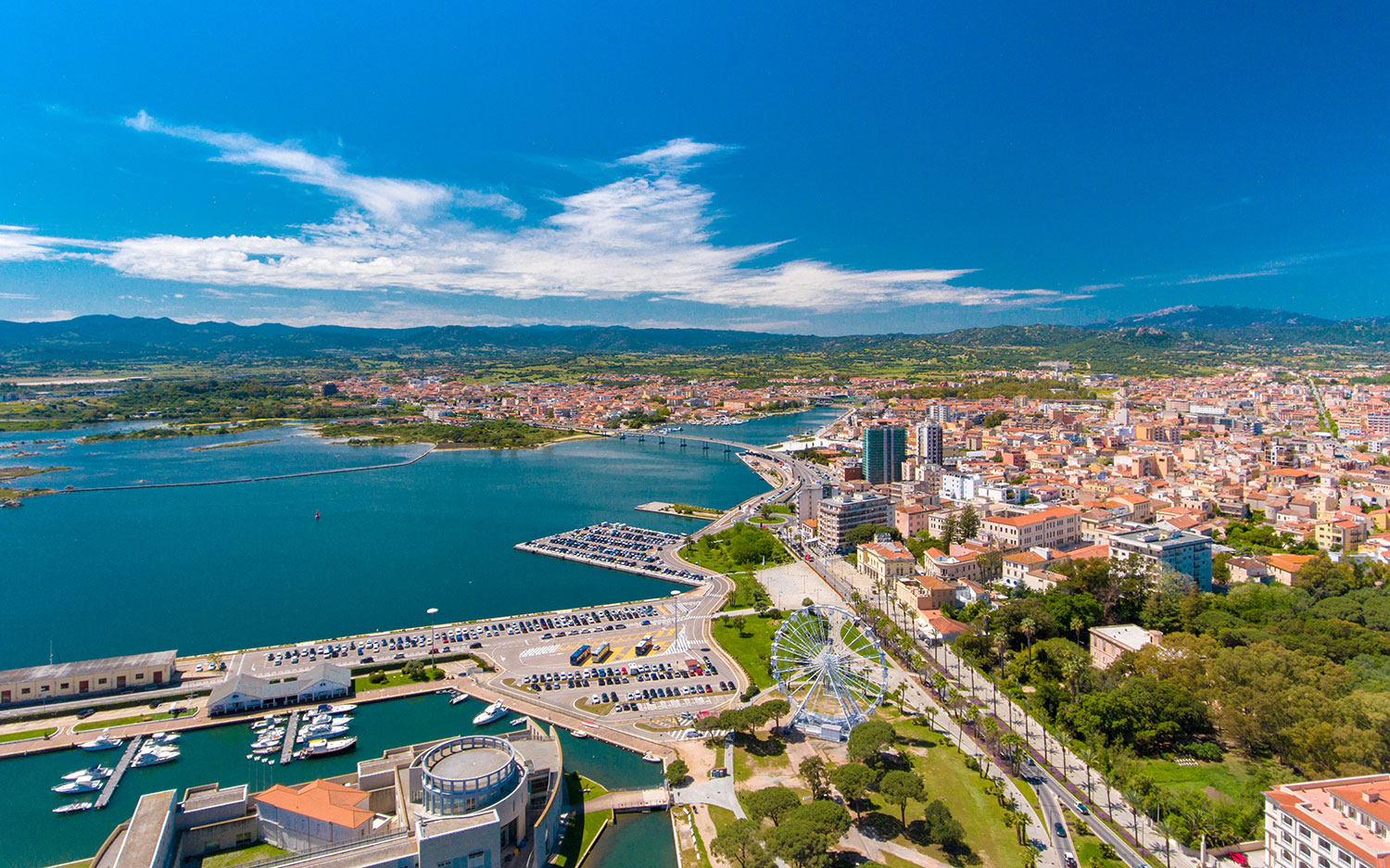
Olbia is much more than a transit point: it is a place that combines the natural beauty of Gallura with the vitality of a modern urban centre, rich in history and tradition. With its port, airport and strategic location, Olbia is one of the most dynamic cities on the island.
Hints of History: The origins of Olbia
Olbia's roots are ancient and reach back into a past that starts from the prehistory and spans all the great Mediterranean civilisations. The Olbia territory preserves almost uninterrupted traces of human settlements, from the first Neolithic villages to the Nuragic monuments, up to the Roman city and the medieval capital of the 'Giudicato di Gallura'.
Nuragic civilisation (from the 2nd millennium BC)
As early as the Middle Neolithic (around 4000-3500 B.C.), human settlements are attested in the Olbia area, as shown by the findings of pottery and votive statuettes. With the arrival of the nuragic civilisationBetween the Bronze and Iron Ages, the territory was dotted with nuraghi, hut villages, tombs of the giants and sacred wells: today there are more than fifty in the municipality of Olbia alone. Among the most important sites are the Nuraghe Riu Mulinu of Cabu Abbasthe sacred well of Sa Testa and the Tomb of the Giants of Su Monte 'e s'Abewhich tell of a world of water-related rituals, ancestor worship and an astonishing capacity for construction.
Phoenicians and Punics: a strategic port in the Mediterranean
Starting in the 8th-7th century BC, Phoenician navigators and then the Carthaginians (Punics) recognised the Gulf of Olbia as an ideal landing place: sheltered, close to the routes to the Italian peninsula and Spain. Thus was born a Phoenician-Punic colonywith a harbour, warehouses and fortifications. Remains of the Punic walls and a famous inscription in Punic language (the so-called 'pedestal of Olbia') testify to the commercial and religious role of this settlement, which was connected to the great mercantile networks of the western Mediterranean.
Roman era: the great growth of the city
After the Roman conquest of Sardinia in 238 BC, Olbia was reorganised and expanded following the Roman urban model. The city becomes one of the most important ports on the islandthe closest to the Italian peninsula, with direct connections to Ostia and Rome. A forumpaved roads, public spas, an extensive aqueduct that descends from Cabu Abbas and numerous villas in the surrounding area. Necropolis finds, jewellery, ceramics and, above all, the remains of Roman ships found in the harbour, now visible in the Olbia Archaeological Museumconfirm the importance of the centre as a major military and commercial hub.
Middle Ages
With the decline of the Roman Empire and the Vandal and then Byzantine raids, the city changed its face but did not lose its strategic role. In the Middle Ages, under the name of CivitaOlbia becomes the capital of the Giudicato of Galluraone of the four independent kingdoms into which Sardinia was divided. This was the site of the giudicale palace, the defensive walls and the main churches, including the area on which the Basilica of San Simpliciolinked to the cult of the local holy bishop and martyr. Defence structures such as the castles of Pedres e Sa Paulazza protected the city and internal routes, while the diocese of Civita played a major religious role on the island.
Perfect, I will expand that section so that each beach has a small descriptive 'card', with atmosphere, ideal audience and some practical info. You can directly replace the text in your article.
The Olbia Centre
Olbia's historic centre is a concentration of life, culture and flavours, a place where the past coexists harmoniously with modernity. It is the ideal area to take an unhurried stroll, discover authentic views, go shopping or enjoy an aperitif in the open air.
Corso Umberto I - The heart of the city
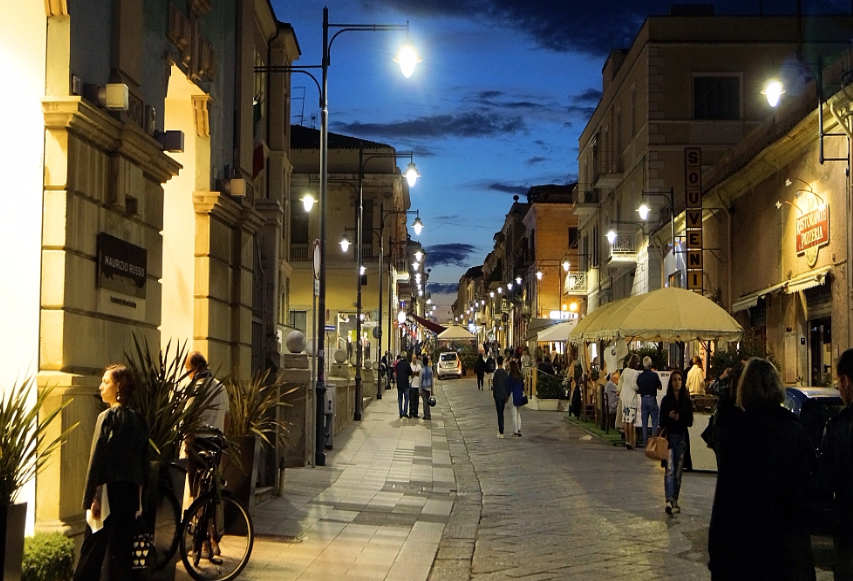
It is the main street of the centre, pedestrianised and lined with shops, artisan boutiques, restaurants and cafés. During the summer season it comes alive with live music, evening markets, exhibitions and theme nights. It is here that tourists and residents meet for a stroll, a relaxed shopping spree or an al fresco dinner.
Piazza San Simplicio and the Basilica
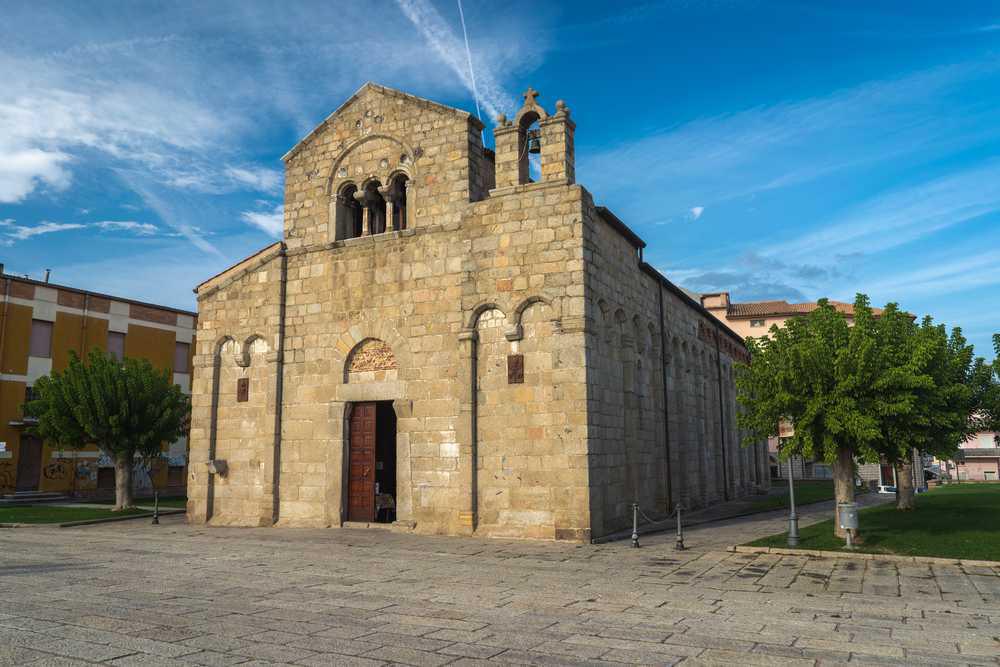
A few steps from the corso is the Basilica of San Simplicio, the city's most important religious monument. The surrounding square hosts festivals, celebrations and small events. At night, the warm lighting emphasises the granite of the building, creating an evocative atmosphere.
The Waterfront and Fausto Noce Park
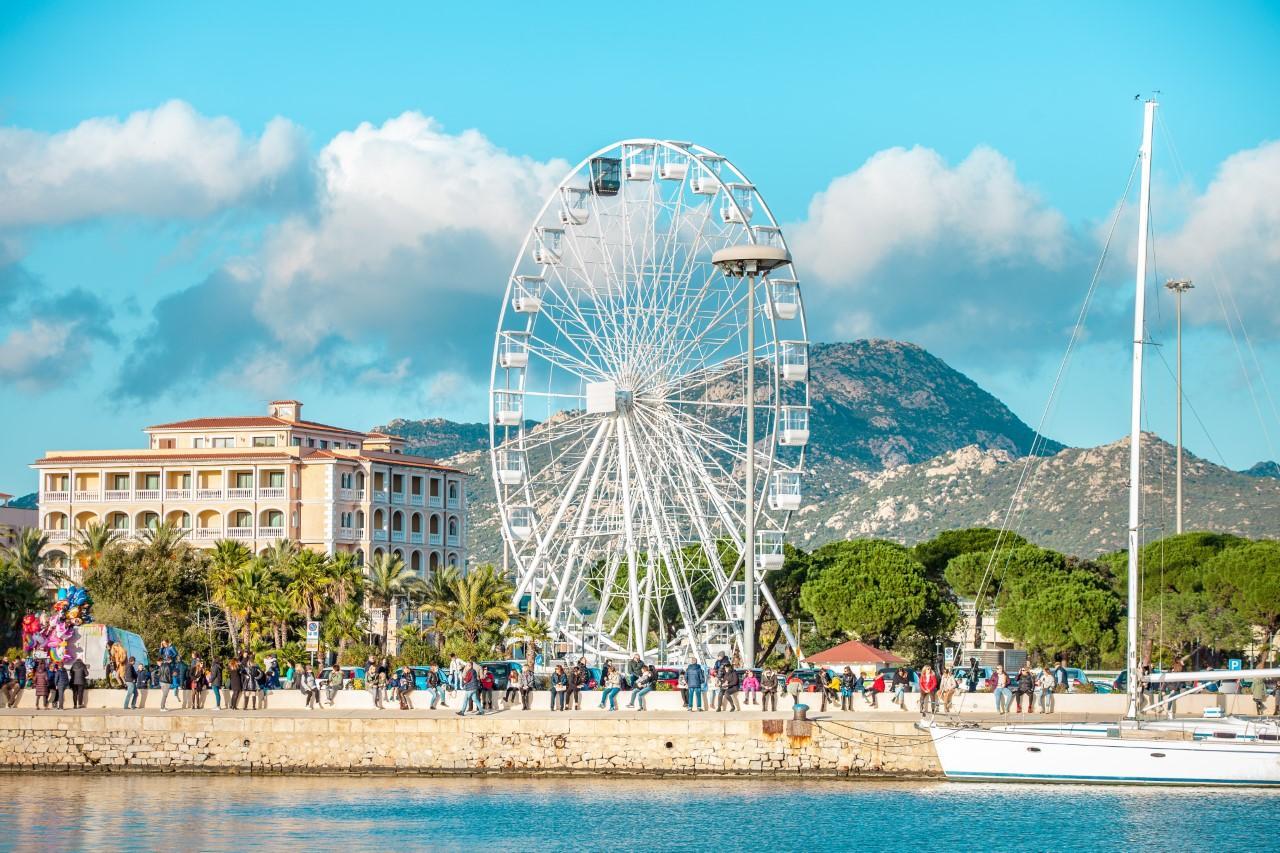
The Olbia seafront is a perfect place to relax, run or enjoy the sea breeze with a view of moored boats.
A little further inland is the large Fausto Noce Park, a 16-hectare green lung with ponds, bridges, playgrounds and runner's paths: a true oasis in the heart of the city.
Urban life and shopping
In addition to the main routes, such as via Regina Elena and via Cavour, the centre is dotted with typical shops where you can find coral, cork handicrafts, Gallura food and wine products, ceramics and Sardinian jewellery.
Events in Olbia
Olbia is not only a seaside destination: it is also a very active city in terms of culture, music and tradition. Here are the most significant events.
Feast of Saint Simplicius (May)
It is the most important event of the year, dedicated to the city's patron saint.
The festival lasts several days and includes:
- religious processions,
- spectacular fireworks,
- concerts and performances,
- the traditional cozza de San Simplicioa great gastronomic festival,
- markets and family activities.
It is the ideal time to experience Olbia as a true local and breathe in its deepest identity.
Summer events and live music
During the summer, the old town and the waterfront fill up with:
- free concerts,
- performances by street artists,
- music festivals,
- dance evenings,
- open-air cinema.
Le White Nights and the long evening shop openings turn the centre into a lively open-air lounge.
Christmas in Olbia
In recent years, the Christmas period has become particularly atmospheric:
- typical markets,
- musical events,
- ice skating rink,
- illuminations in the historic centre,
- travelling shows.
A perfect opportunity to discover the city in a completely different atmosphere.
Olbia's beaches
The Olbia coastline is a succession of coves, well-equipped lidos and still wild corners, all within a few minutes' drive or bus ride from the town centre. Here you will find some of the most beautiful beaches in northern Sardinia, each with a different personality.
Pittulongu - the 'Playa' of Olbia
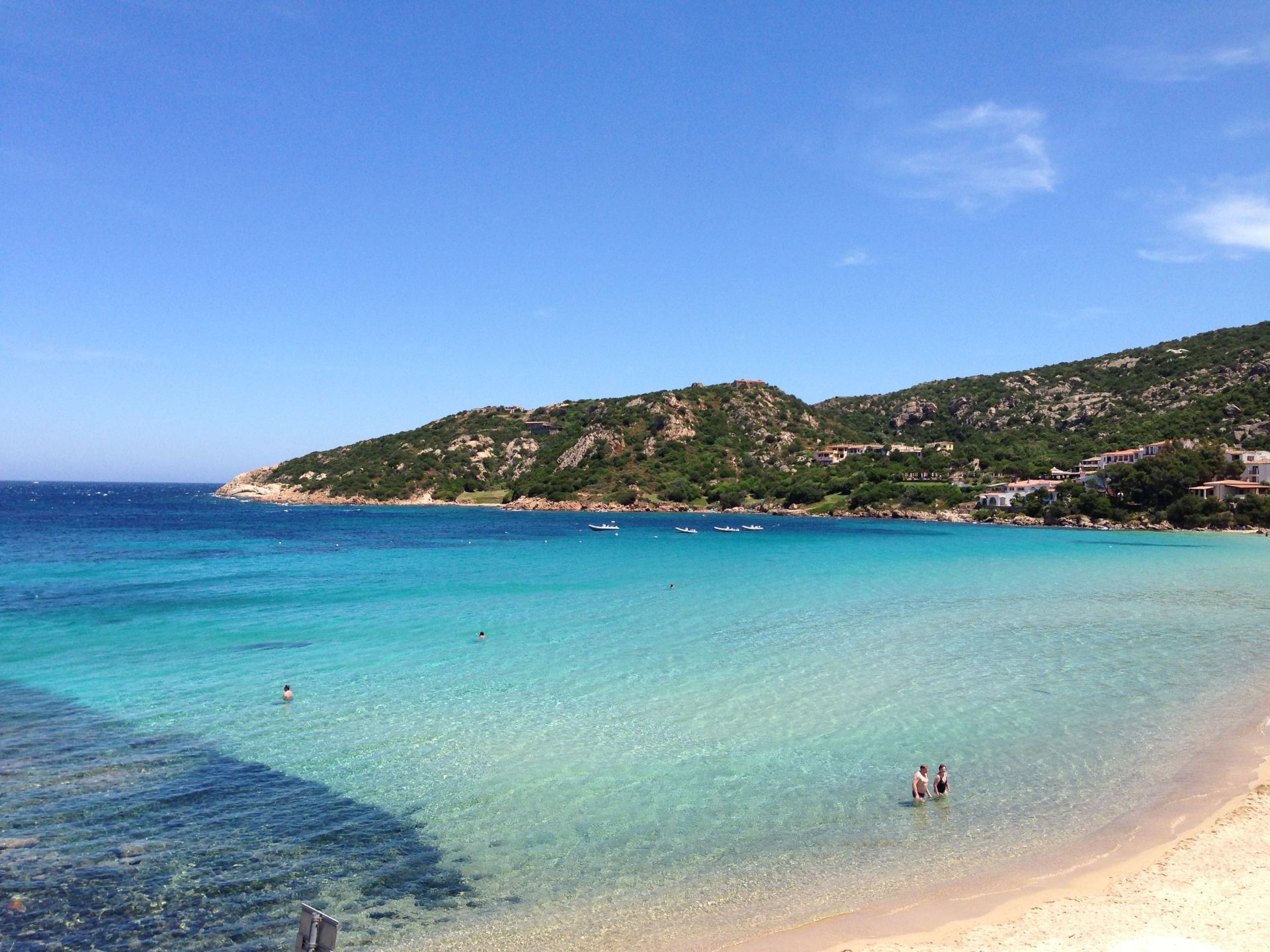
About 8 km from the centre, along the road to Golfo Aranci (also called La Playa) is the reference beach for the people of Olbia. It is a long crescent of soft, white sand, with a gently sloping seabed: perfect for families with children and for those who want to bathe even out of season.
Along the beach you will find bathing establishments, bars and restaurants with a view of Tavolara, as well as rental of beach umbrellas, sunbeds, pedal boats and canoes. It is well served by public transport, so it is also ideal for those travelling without a car.
Bados - young and sporty atmosphere
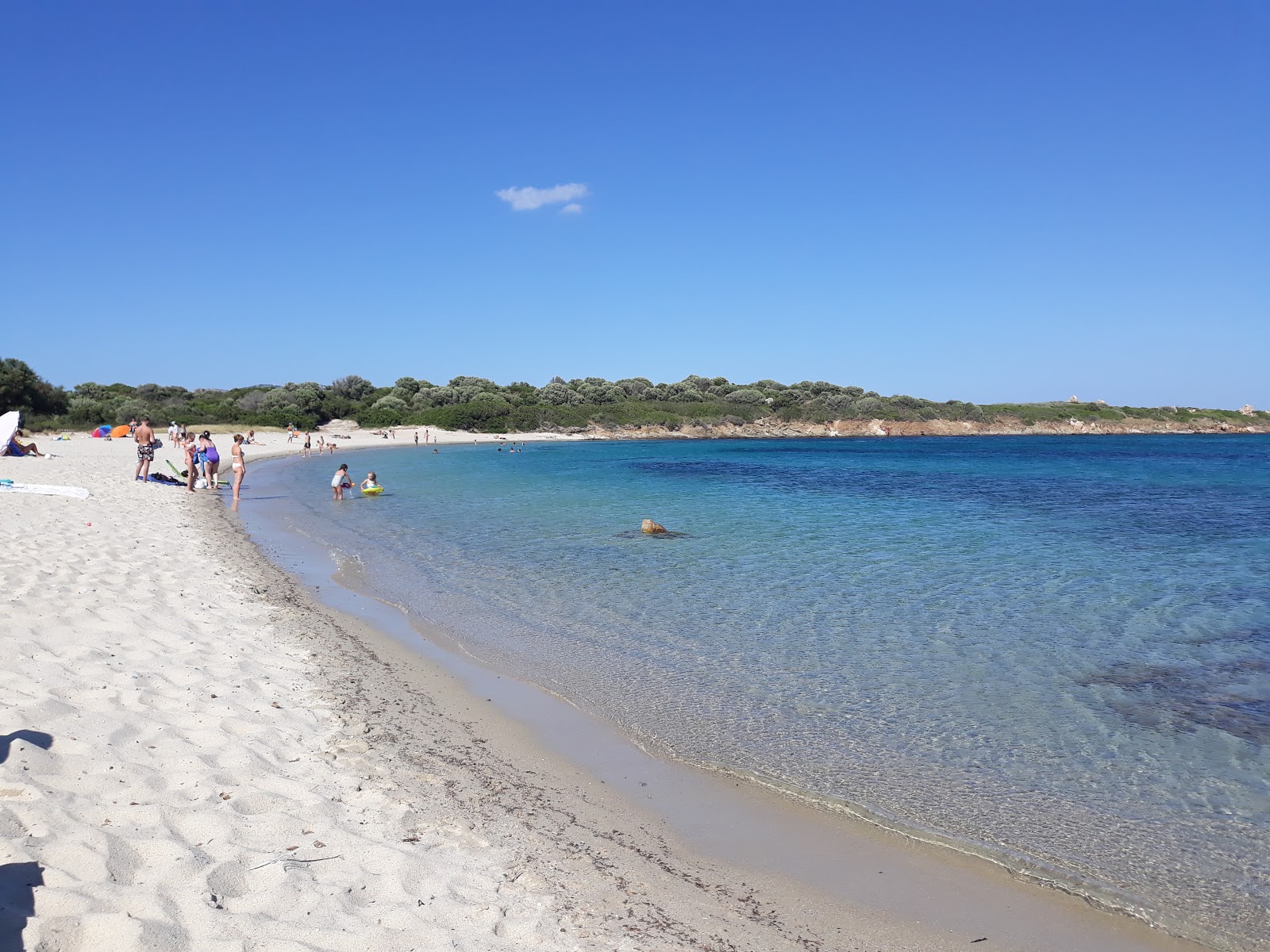
Just beyond Pittulongu, in the direction of Golfo Aranci, Bados is a popular beach for young people, families and water sports enthusiasts. The sand is light and fine, the water transparent and the seabed remains shallow for several metres, ideal for safe swimming or playing on the shore.
In the summer months, it is one of the liveliest beaches in the area: kiosks by the sea, opportunities to practice snorkelling, sup and windsurfingand a beautiful view of the surrounding green hills.
Porto Istana - postcard with Tavolara view
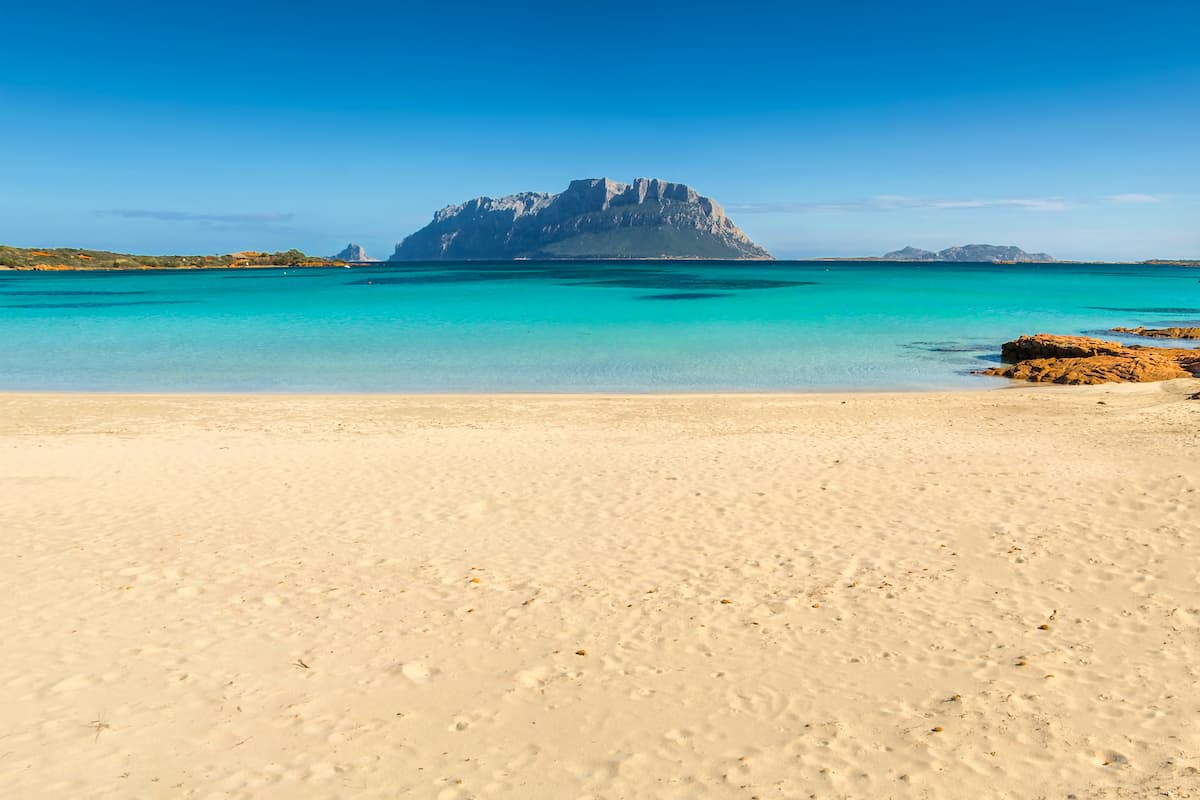
South of Olbia, near Murta Maria, lies the little paradise of Porto Istana: four small beaches separated by rocky stretches, all with white sand and turquoise sea. Opposite stands the island of Tavolaracreating one of the most photographed views in the area.
The sea bed is very shallow and transparent, perfect for families and those who enjoy long walks in the water. In the summer season there are bathing establishments and equipment rentals, as well as water sports schools. It is one of the most popular beaches: best to arrive early in the morning, especially in August.
Marinella - between crystal clear sea and worldliness
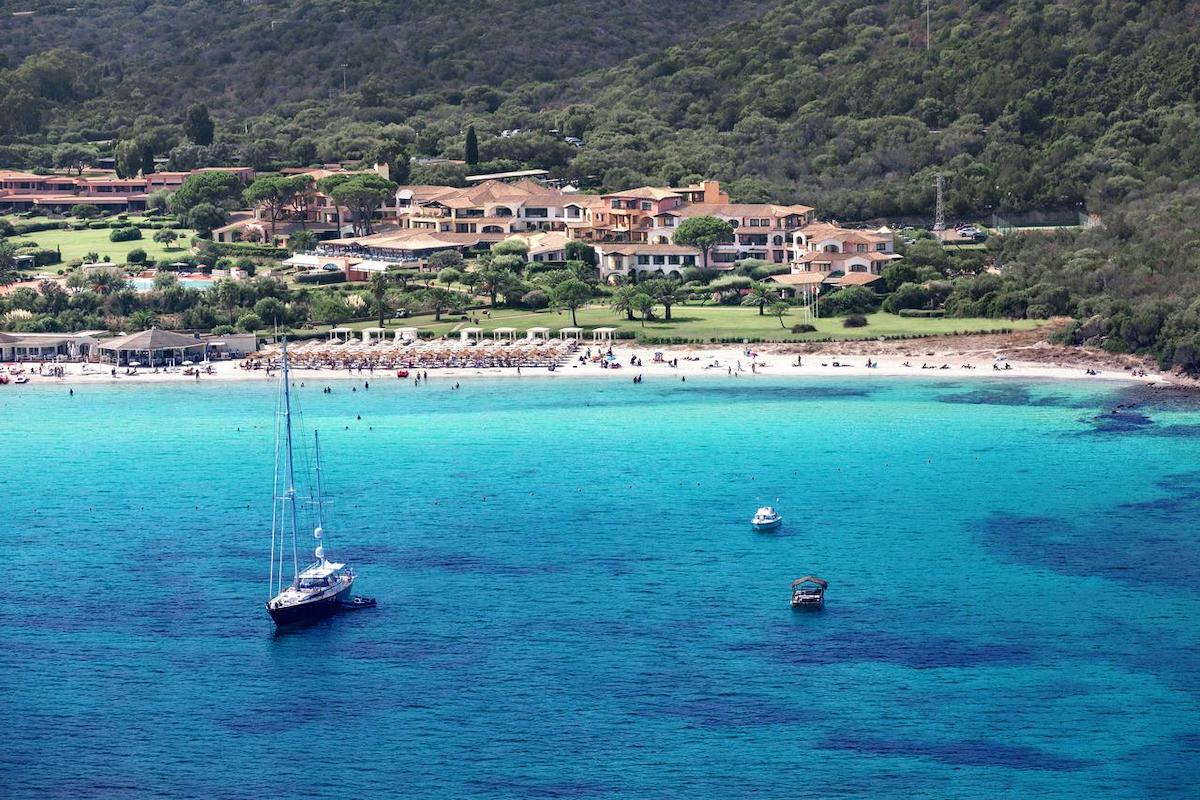
The beach of Marinella is located a few kilometres further north, towards Porto Rotondo. It is a wide arc of fine, light-coloured sand, with an ever-clear sea and gently sloping water.
Here you will find both free stretches and equipped establishments, beach clubs, restaurants and hotels facing the sea: perfect if you want to combine postcard sea and a touch of the mundane, perhaps with an aperitif at sunset by the sea.
Cala Banana and Sos Aranzos - intimate coves and crystal-clear water
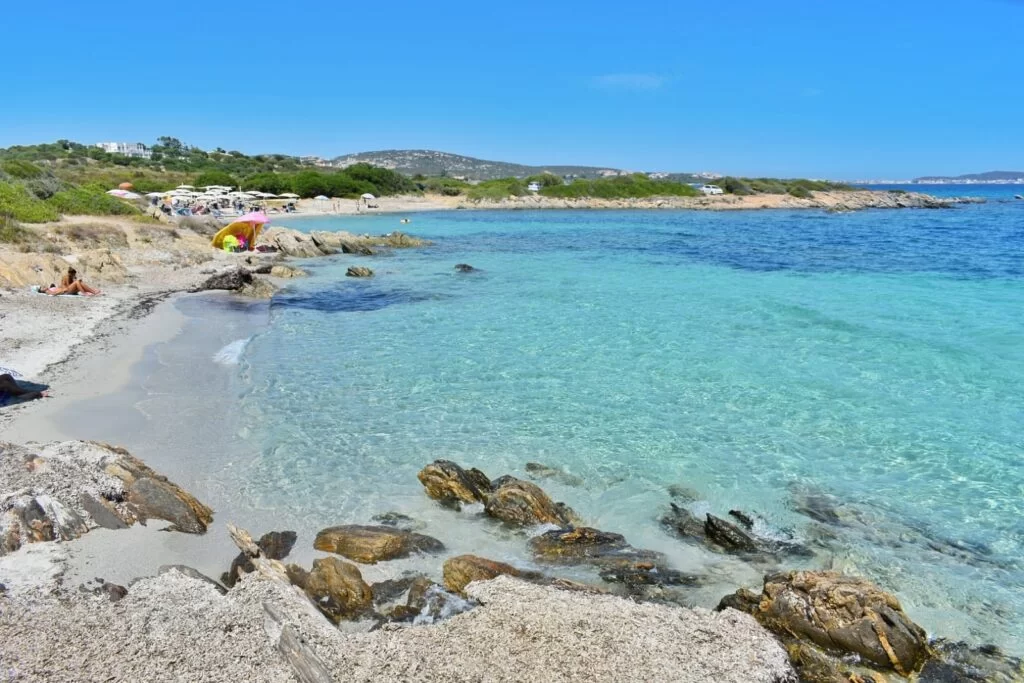
Between Pittulongu and Golfo Aranci are hidden little gems such as Cala Banana and Sos Aranzos: smaller coves with light-coloured sand, granite rocks and a calm, transparent sea.
These beaches are ideal for those seeking a quieter atmosphere than the large lidos: perfect for snorkelling, lying in the sun in silence or enjoying a picnic overlooking the sea. Some stretches are equipped, others completely free, with Mediterranean vegetation reaching almost to the shore.
Porto Istmo and Capo Ceraso - Sardinia still wild
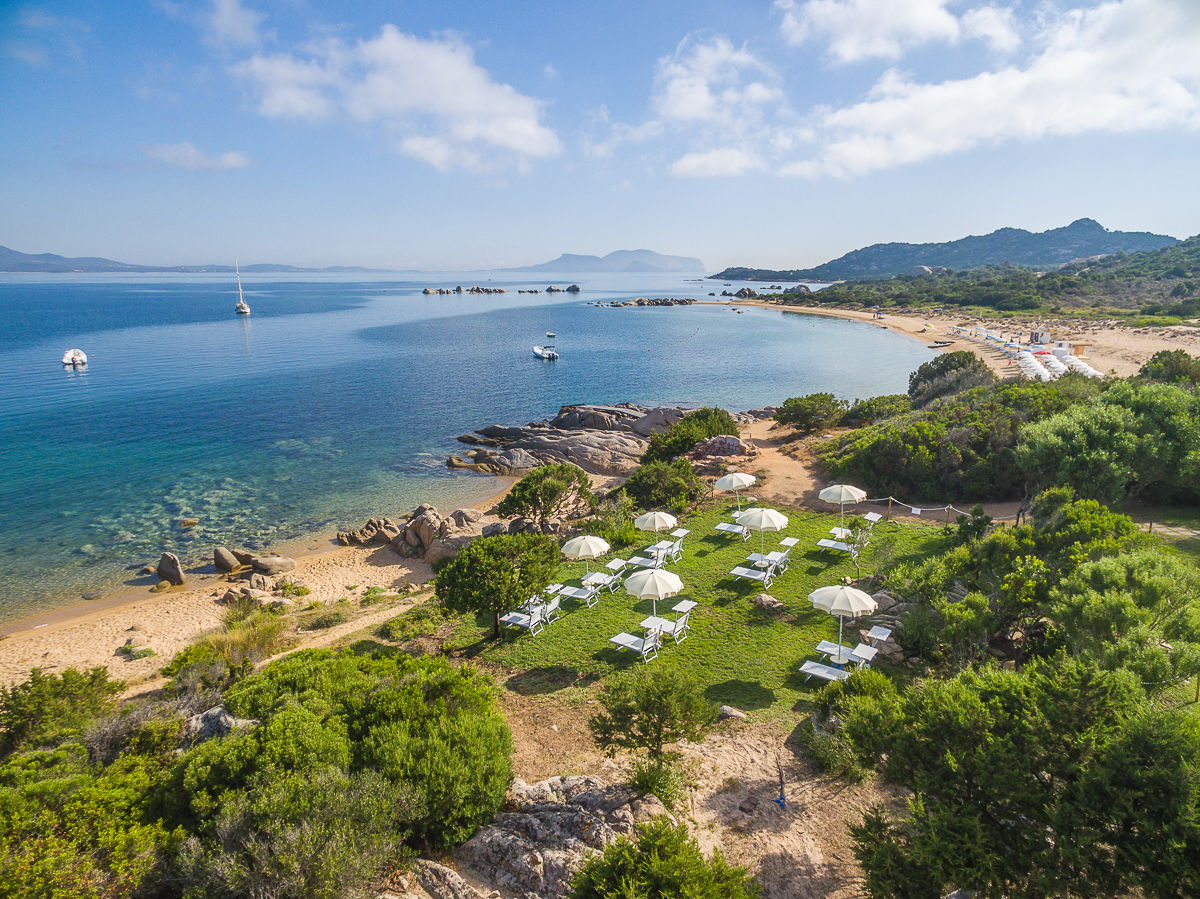
Moving south-east, the area of Porto Istmo and the promontory of Capo Ceraso offers much wilder and less crowded scenery. Here the coastline alternates between small sandy inlets and rocky stretches, with paths through the Mediterranean maquis amidst scents of myrtle, rosemary and juniper.
These beaches are perfect for those who like to walk, explore and photograph: there are not always services, so it is better to arrive equipped (water, food, umbrella). In return you enjoy a rare tranquillity, especially in the early morning or at sunset.




 .
.